MELB NOTE · A GUIDE TO BETTER DRINKS
Better drinks,
made easier.
Beginner-first, source-checked guides to coffee, matcha, tea and the drinks worth trying next. Start with the short answer, then go deeper only when you want to.
LATEST FROM MELB NOTE
Practical guides for your next cup
Clear answers, useful comparisons and small changes you can try without buying everything at once.
-

How to Store Coffee Beans: Cupboard, Fridge or Freezer?
Keep coffee fresh by limiting air, moisture, heat and light. Learn when a cupboard is best and how to freeze larger amounts safely.
-

Why Does an Americano Taste Different at Every Café?
Americano flavour changes with the beans, roast, espresso extraction and water ratio. Use four simple words to identify the style you prefer.
-
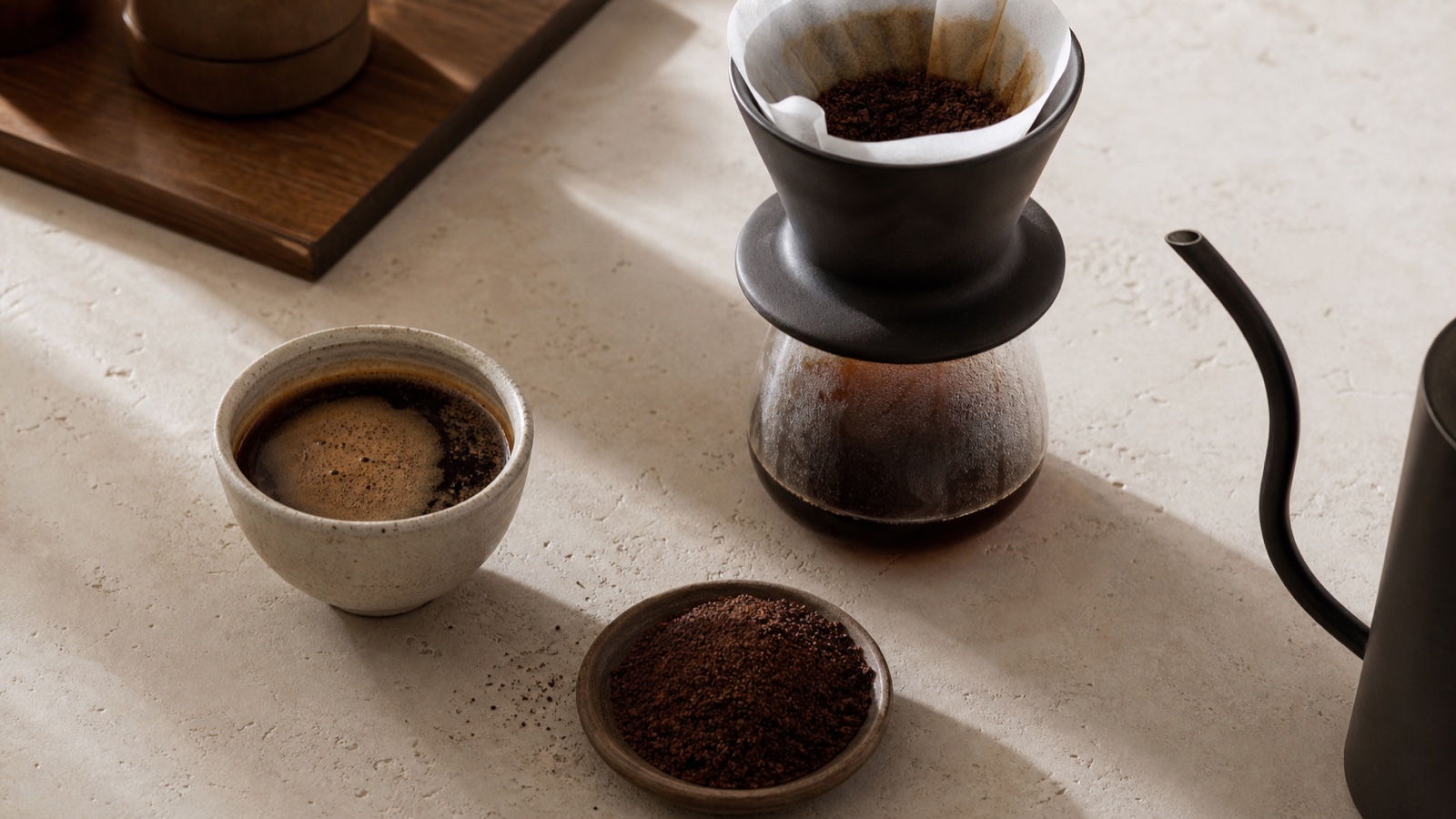
Why Does Coffee Taste Bitter? 5 Causes and What to Change First
Coffee bitterness can come from roast style, extraction, temperature or personal sensitivity. Diagnose one variable at a time.
-

Flat White vs Latte: What Is the Difference?
A flat white and a latte share the same espresso; the flat white is smaller with about 5 mm of microfoam, so it tastes…
-

How to Choose Coffee Beans: A Simple 4-Step Guide
Choose coffee beans by flavour notes, roast level, freshness and brewing method—not by price alone.
-
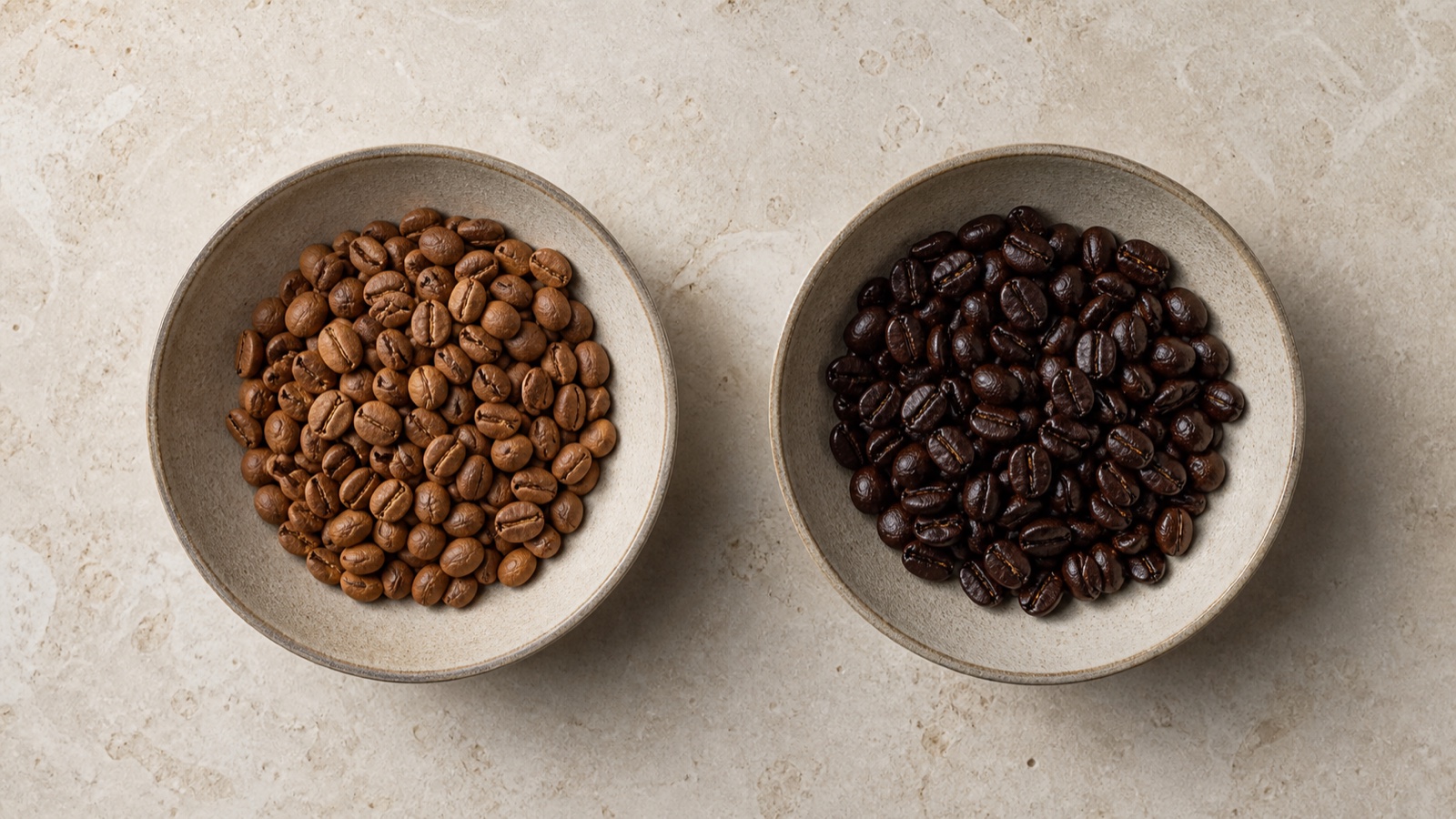
Light Roast vs Dark Roast: Which Coffee Suits You?
Light and dark roasts emphasise different flavours. Compare acidity, roast character, strength and the simplest way to find your preference.
-
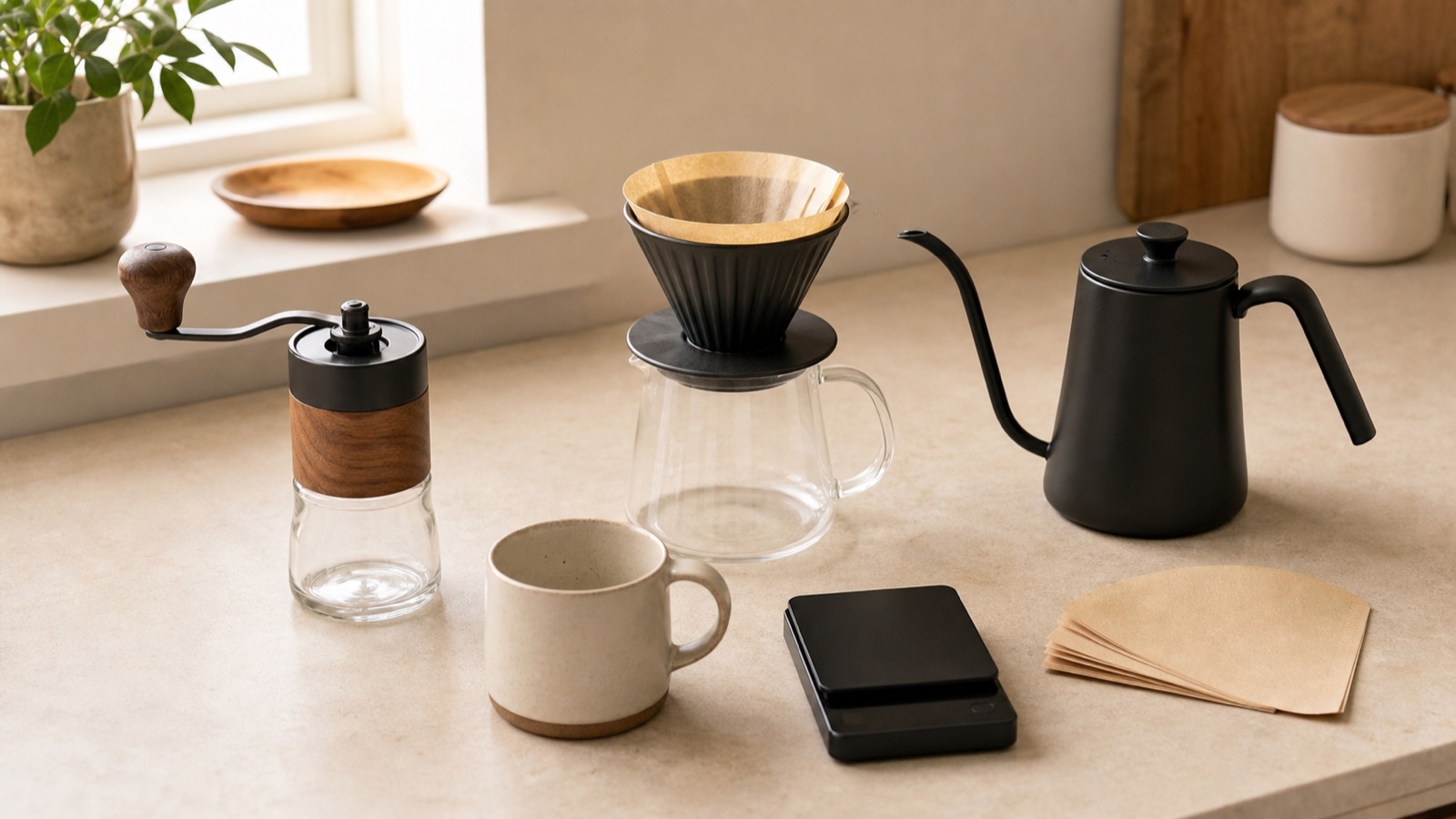
Home Coffee Equipment: What Do Beginners Actually Need?
Start brewing at home without buying everything at once. Learn the essential tools, the best first upgrade and what can wait.
-

Coffee Grind Size: A Beginner’s Guide to Better Flavour
Grind size changes flow and extraction. Learn the simplest adjustment when filter coffee tastes sour, bitter, weak or harsh.
-

Coffee-to-Water Ratio: A Simple Starting Point for Home Brewing
Start with a simple 1:16 coffee-to-water ratio, then adjust one variable at a time for a stronger, lighter or better-balanced cup.
Start simple. Notice more.
MELB NOTE explains the next useful choice first. Sources, scope and deeper detail stay visible when you need them.